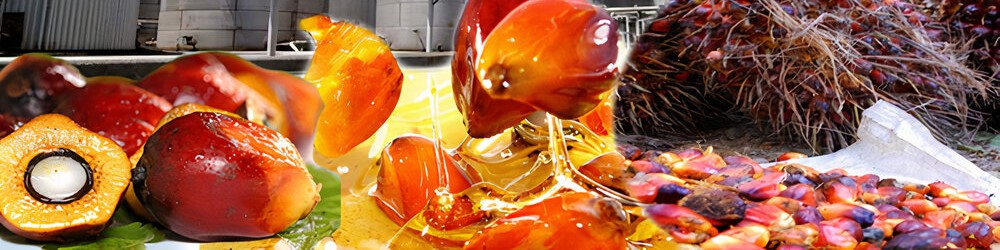
Thailand’s biofuel tax cuts boost palm oil demand and open up new opportunities for Indonesian exports
23/11/2026 (Oils & Fats International) - Tax cuts on biofuels introduced by the Thai government are boosting palm oil demand while presenting new opportunities for Indonesian exports of the commodity, according to a report by Zyot w Dhon, a news platform for the oils and fats sector.
Effective from 28 October until 27 January 2027, the tax cuts covered two key blended fuels – B20 biodiesel and E20 gasohol, the 12 November report said.
A diesel blend containing around 20% biodiesel, B20 is mainly palm oil-based in Thailand, while E20 comprised petrol blended with 20% ethanol derived from sugarcane, molasses and cassava.
Announced by Prime Minister Anutin Charnvirakul, the policy aimed to reduce energy costs for households and transport operators while boosting domestic agricultural-based fuel production, Zyot w Dhon wrote.
The tax cut had widened the price gap between biofuel and diesel, bringing B20 prices to around THB10 (US$0.3)/litre below regular diesel prices, prompting fleet operators to switch.
Following the tax reduction, domestic B20 consumption surged from approximately 5-6M litres/day to 9M litres/day, according to government figures.
The US Department of Agriculture (USDA)’s Biofuels Annual projected Thai biodiesel production would reach 1.77bn litres in 2026, a 22% increase from the previous year and the highest level since 2020.
According to the report, the increase followed an earlier shift in the national blend standard from B5 to B7 in March 2026.
As a result, the demand for crude palm oil (CPO) as a biofuel feedstock was expected to rise from 1.09M tonnes in 2025 to 1.35M tonnes in 2026.
To ensure domestic supply security, Thailand had tightened export controls, with CPO exports requiring approval from the Department of Internal Trade (DIT) since April 2026, Zyot w Dhon wrote.
The government was also considering maintaining a 20% national CPO stockpile to counter production risks related to El Niño weather conditions, according to the report.
With Indonesia producing 47M tonnes/year of palm oil – around 12 times more than Thailand’s output – stronger Thai demand could create significant export opportunities for Indonesian CPO and derivatives if local Thai supply fell short, Zyot w Dhon wrote.
However, the extent of the impact on the Indonesian market would be shaped by three critical factors: the price spread between palm oil and gas oil; global supply availability and the logistics of regional trade.
Against this backdrop, Indonesia’s palm oil product exports were expected to reach around 35M tonnes in 2026, a 12 November New Straits Times (NST) report quoted the government’s chief economic minister Airlangga Hartarto as saying.
Between January-October, exports of palm oil products reached 33.8M tonnes, up 6% year-on-year, with a value of US$28.84bn, an annual increase of 16%, Hartarto said.
Production was projected to reach around 60M tonnes in 2026, up from 56.55M tonnes in 2025, supported by government replanting programmes and investment in infrastructure to improve productivity, he added.
However, the Indonesian Palm Oil Association (Gapki) said El Niño weather conditions could cut CPO production by 3M tonnes.
The weather phenomenon was projected to bring prolonged drought, increasing the risk of wildfires in palm-growing areas, with the biggest impact on output expected in 2027.
Gapki chairman Eddy Martono said the effects could continue for several prospective harvests.