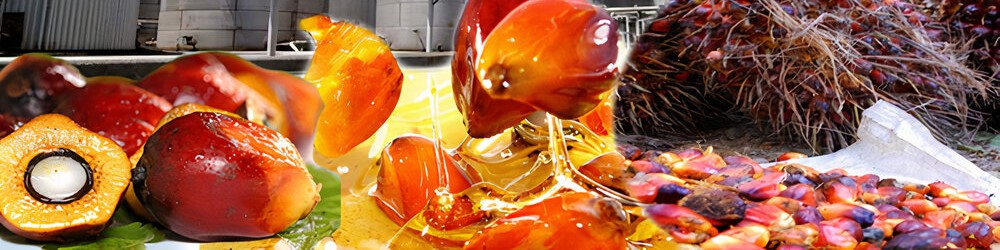
Malaysia palm oil industry open to PHL oleochemical partnerships
11/10/2026 (Business World), Kuala Lumpur - Malaysia is open to discussing potential oleochemical partnerships in the Philippines to coincide with the expansion of their coconut and palm oil industries, according to the Malaysian Palm Oil Council (MPOC).
“If anyone from the Philippines’ coconut oil industry would like to have a discussion on this, we are always open to that,” MPOC Chief Executive Officer Belvinder Sron told reporters on the sidelines of the 2026 Malaysian Palm Oil Forum.
“I think if we can collaborate, it’s a win-win situation because a lot of coconut oil is also used in the oleochemical sector,” she added.
Oleochemicals, derived from natural plant oils and fats, serve as an alternative to petroleum-based petrochemicals used in everyday household items, including cleaning products, cosmetics, and medicines, as well as industrial supplies such as lubricants, plasticizers, varnish components, and concrete additives.
“There’s still a lot of potential to expand the usage of palm, and this is something that MPOC has been focusing on,” Ms. Sron said. “We are looking more downstream.”
“Oleochemicals are one of them that we are looking at. That’s the future potential to bring in more revenue for this sector,” she added.
The Philippines is one of the world’s largest producers of coconut oil, which, like palm oil, can be used to produce oleochemicals.
The Philippine Statistics Authority reported that the Philippines exported $3.6 billion worth of coconut products in 2025, up 35.2% from $2.7 billion the year before. Coconut oil exports account for 80% of total coconut export revenues, rising 30.1% to $2.89 billion
The US Department of Agriculture’s Foreign Agricultural Service based in Manila estimates that the Philippines could export 1.19 million metric tons (MMT) of coconut oil in the US marketing year 2026/2027, up 5.3% from the projected shipments of 1.13 MMT in the current US marketing year.
Former Agriculture Secretary William D. Dar said potential collaboration on oleochemicals is a “strategic opportunity” to widen access to global markets.
“By leveraging Malaysia’s technology and expertise, we can strengthen our domestic palm oil and coconut industries, attract investments, generate quality jobs, and increase farmers’ incomes,” he told BusinessWorld via Viber.
“Our goal must be clear: turn regional cooperation into industrial growth, greater self-sufficiency, and lasting prosperity for Filipino farmers,” he added.
Global management consulting firm IMARC Group estimated the size of the Philippine oleochemicals market at $575.7 million. The industry is projected to grow to $906 million, assuming a compound annual growth rate of 5.01%.
Beyond oleochemicals, Malaysia seeks to promote palm-based food and wellness ingredients such as palm tocotrienols and red palm oil.
“These are new sectors that we would like to tap,” she said. “I think people are not aware of the benefits of palm, especially palm tocotrienols… And red palm oil is very high in carotenes.”
The Philippines remains one of Malaysia’s priority markets for palm oil and its downstream products. Last year, the Philippines imported more than 722,507 metric tons (MT) of palm oil, 63,418 MT of oleochemicals, and 18,044 MT of palm kernel oil.