Indonesia secures its fuel supply at the cost of its food and forests
07/10/2026 (East Asia Forum) - Indonesia has made one of its boldest energy bets yet with the introduction of its ‘B50 mandate’ requiring diesel fuel sold in the country to contain 50 per cent palm-based biodiesel. The mandate took legal effect on 1 July 2026 and was formally launched by President Prabowo Subianto on 9 July, with full implementation scheduled from 1 October 2026 after a three-month transition.
B50 marks the latest step in Indonesia’s biodiesel mandate, which began with a 2.5 per cent blend in 2008 and was progressively raised to B40 in 2025. Prabowo has also pushed for an eventual move towards B100, though no formal timeline has been set. This gradual escalation reflects the government’s broader effort to reduce fuel imports, cushion the economy for global shocks and turn domestic palm oil into an instrument of energy security.
The government projects the B50 program to require 16.7–18 million kilolitres of biodiesel and roughly 15.2–16.3 million tonnes of crude palm oil (CPO), employing around 2.1 million workers in the process. It is estimated to reduce carbon dioxide emissions by up to an additional 4.8 million tonnes relative to the savings achieved with the existing B40 mandate while increasing foreign exchange savings by 36.7 trillion Indonesian rupiah (US$2.1 billion).
These headline figures need qualification. The emissions estimates reflect combustion savings rather than a full lifecycle calculation and exclude potential emissions caused by changes in how land is used. Additionally, the savings estimates do not account for lost revenue due to a reduction in palm oil exports or for the cost of imported inputs needed for biodiesel production, such as methanol. Indonesia’s domestic methanol capacity remains limited and imports could cost roughly Rp20 trillion (US$1.1 billion) per year.
The B50 mandate reduces exposure to oil price shocks, but does not remove Indonesia’s exposure to commodity volatility. Import dependence does not disappear because biodiesel production still requires imported inputs. Biodiesel becomes more expensive relative to fossil diesel when palm oil prices rise or global oil prices fall.
The program also acts as a partial energy price stabiliser, shielding eligible consumers from some fuel price volatility. As of July 2026, subsidised Biosolar was priced at around Rp6800 (US$0.38) per litre, far below premium non-subsidised diesel. This gap is not entirely attributable to the biodiesel subsidy, because Biosolar and products such as Pertamina Dex serve different market segments and pricing regimes. The subsidy program is supported through palm oil export levies, including a 12.5 per cent levy on CPO.
Yet this levy risks disincentivising palm oil exports, potentially weakening the revenue base used to finance biodiesel support and undermining the savings associated with reduced diesel imports. B50 may reduce diesel imports while increasing the financing needed to keep biodiesel competitive.
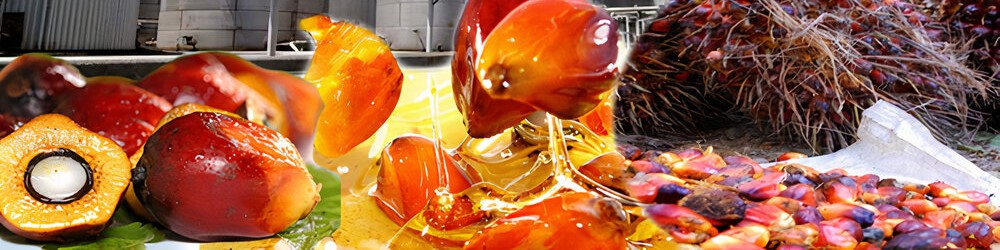
The sharper dilemma lies in the food market. Palm oil is both an energy feedstock and Indonesia’s main source of cooking oil. A mandatory blending program such as the B50 mandate creates a large claim on CPO supply. When production growth cannot keep pace, more oil directed into fuel means less is available for food processing.
In August 2026, the United Nations Food and Agriculture Organization reported that its vegetable oil price index had reached its highest level since June 2022, partly due to expectations of tighter Indonesian export availability amid stronger biodiesel demand and declining yields. The Indonesian Palm Oil Association has warned that El Nino could reduce Indonesia’s CPO output by around 3 million tonnes. The Palm Oil Agribusiness Strategic Policy Institute projects global CPO prices could rise to around US$1650-1720 per tonne as supply tightens. Such contraction would sharpen competition between fuel, food and export demand.
While wealthier households may absorb a moderate rise in cooking oil prices, poorer households devote a larger share of their budgets to food. Higher palm oil prices also reach consumers through street food vendors, small restaurants, caterers and home-based food businesses. Indonesia’s 2022 cooking oil crisis showed how politically destabilising these tensions can become.
Environmental pressures further complicate the B50 policy. Higher biodiesel demand does not automatically cause deforestation, particularly if output rises through replanting and productivity improvements. Increased demand for palm oil could be met without resulting in indirect land-use effects if Indonesia raises yields on existing plantations and expands alternative feedstocks such as used cooking oil and palm oil mill effluent. The question is whether these gains can scale quickly enough.
Indonesia’s smallholder plantations remain relatively unproductive. Without faster productivity gains, guaranteed biodiesel demand could incentivise expansion of plantations. Palm-based biodiesel can reduce combustion emissions, but lifecycle emissions may equal or exceed those of conventional diesel when forest clearance and peatland drainage are included.
Indonesia need not abandon biodiesel. But B50 should be governed as part of an integrated energy, food and land use plan. The government should monitor CPO output, inventories, cooking oil prices and food inflation, while accelerating smallholder replanting, access to high-yield seedlings, agricultural finance and viable waste-based feedstocks. It should also retain room to adjust implementation if severe supply pressures threaten food or fiscal stability.
Energy resilience cannot be measured only in barrels displaced or foreign exchange saved. The real test is whether Indonesia can keep fuel affordable without making food scarcer, subsidies heavier and forests more vulnerable.