Budget 2027: What RM425m for plantations and commodities means for Malaysians
06/10/2026 (Malay Mail), Kuala Lumpur - A bottle of cooking oil, a set of car tyres and a pair of rubber gloves may appear to have little in common.
Yet each begins, in one way or another, with commodities produced by the country’s plantation sector.
Those commodities do not stop at the plantation, as they are processed into products used by consumers and businesses, while also contributing to the country’s exports.
So what does the plantation and commodities sector actually cover, and why has the government proposed RM425.65 million for the Ministry of Plantation and Commodities under Budget 2027?
How will Malaysians “feel” the impact of this allocation?
Let’s take a look at what the ministry covers, where its commodities end up and how they make their way from plantations and smallholdings to consumers and export markets.
The plantation and commodities sector
The ministry oversees commodities including palm oil, rubber, cocoa, pepper, timber, kenaf, sago and tobacco, as well as related downstream activities.
These commodities move through a wider supply chain, from plantations and smallholdings to processing and manufacturing before reaching consumers or overseas markets.
Smallholders, or pekebun kecil, are individual farmers or families who cultivate relatively small areas of land rather than operating large commercial plantations.
They are an important part of the commodity supply chain, particularly in oil palm and rubber.
Plantation and Commodities Minister Datuk Seri Noraini Ahmad has said empowering smallholders through quality inputs, good agricultural practices and support for replanting programmes is one of the ministry’s priorities to improve productivity and income.
Where does it show up in everyday life?
- Cooking oil and food
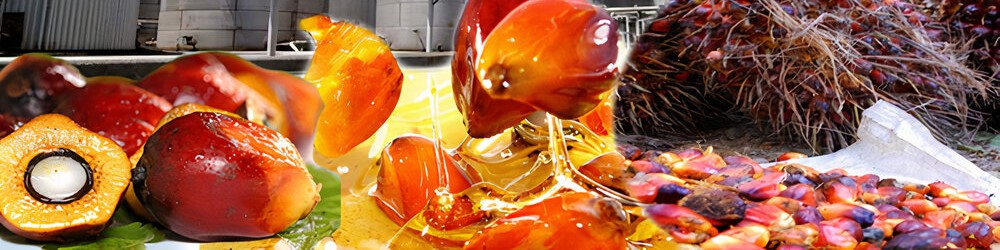
Palm oil is perhaps the most familiar example.
Harvested oil palm fruit is used to make cooking oil and can also be found in a range of everyday products, including margarine, biscuits, bread, chocolate, instant noodles and other processed foods.
In the bathroom, palm-derived ingredients are also used in products such as soap, shampoo and cosmetics.
In 2024, oil palm contributed RM38.1 billion, or 36.8 per cent, of Malaysia’s agricultural value added, making it the largest contributor within the agriculture sector.
Oil palm also extends to markets abroad.
According to the Malaysian Palm Oil Board, palm oil and palm-based products generated RM112.64 billion in exports in 2025.
- Tyres, gloves and rubber products
Rubber is another direct link between plantations, industry and consumers’ everyday lives.
Natural rubber and rubber-based materials are used in products such as medical gloves, tyres, rubber hoses, seals, belts and footwear.
There is also a connection between smallholders and manufacturers producing these products, as well as the healthcare, automotive and manufacturing sectors that use them.
These products are also exported, making rubber important not only as a farm commodity but also as an industrial raw material.
Apart from palm oil and rubber, cocoa, pepper, timber, kenaf and sago are other familiar commodities that appear in households or businesses.